
Learn why uprooted trees are more dangerous
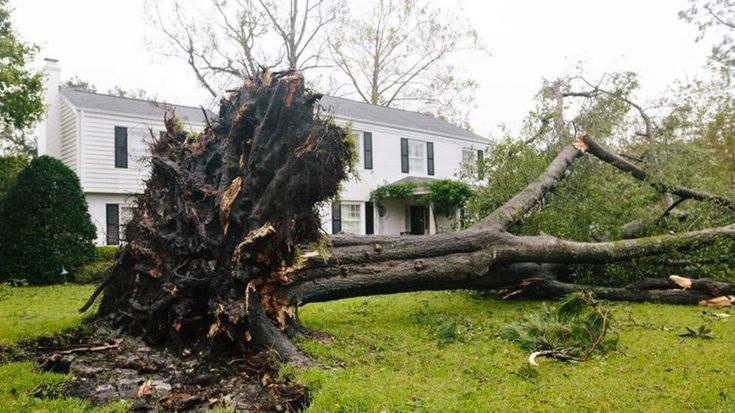
After heavy rain, storms, or soil erosion, uprooted trees are a common sight on residential properties, estates, lodges, and outdoor tourism sites. While they may seem harmless once they’ve stopped moving, the reality is that uprooted trees are far more dangerous than they appear.
Understanding these hidden risks is critical for protecting people, property, and infrastructure.
What Causes Trees to Become Uprooted
Trees are typically uprooted due to:
Saturated or eroded soil
Strong winds and storms
Root decay or disease
Construction or land disturbance
Once roots lose their grip, the entire tree becomes unstable — even if it looks settled.
The Hidden Instability of Uprooted Trees
An uprooted tree is rarely secure. Hidden dangers include:
Root plates that can suddenly shift
Trees rolling downhill or collapsing further
Delayed failure days or weeks after the initial event
This unpredictability makes uprooted trees extremely hazardous.
Tensioned Branches and Sudden Movement
Uprooted trees often contain:
Branches under extreme tension
Bent trunks storing energy
Interlocked limbs with nearby trees
Improper handling can cause sudden, violent movement — a major cause of serious injuries during DIY removal.
Risks to Buildings, Roads, and Infrastructure
Uprooted trees can:
Fall further onto homes or lodges
Damage boundary walls and fences
Block roads, trails, and emergency routes
Interfere with power lines and drainage systems
Leaving them unattended increases the risk of secondary damage.
Why Uprooted Trees Are Especially Dangerous After Storms
Post-storm conditions worsen risks due to:
Continued soil movement
Additional rainfall
Strong follow-up winds
A tree that survives the initial storm may still fail days later.
Public Safety and Liability Concerns
For property managers, estates, and tourism sites, uprooted trees:
Increase liability exposure
Endanger guests, residents, and staff
Can lead to legal or insurance complications
Professional assessment helps reduce these risks.
Environmental Impact of Unmanaged Uprooted Trees
Uncontrolled uprooted trees may:
Accelerate soil erosion
Block natural water flow
Damage surrounding vegetation
Managed removal allows for safer environmental recovery.
Why Professional Assessment and Removal Is Essential
Removing uprooted trees requires:
Specialised equipment
Controlled cutting techniques
Trained personnel
Professional tree contractors understand how to release tension safely and prevent further damage.
Professional Uprooted Tree Removal Services
Rokotz Services and Projects provides professional uprooted tree assessments, emergency removals, and preventative maintenance across Pretoria and Gauteng. Our team ensures each removal is handled safely, efficiently, and with minimal disruption.
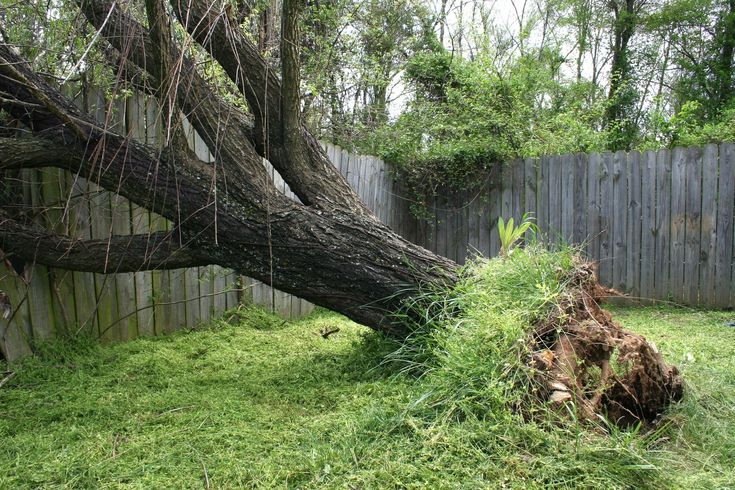
Understanding why uprooted trees are more dangerous than they appear helps property owners and managers act before accidents happen. These trees may look stable, but hidden forces and unstable roots make them a serious risk that should never be ignored.
If you have an uprooted or unstable tree on your property, contact Rokotz Services and Projects for professional assessment and safe removal.
Frequently Asked Questions (FAQs)
1. Can an uprooted tree fall even if it hasn’t moved yet?
Yes. Soil shifts, rain, or wind can cause delayed collapse days or weeks later.
2. Is it safe to cut an uprooted tree yourself?
No. Uprooted trees often contain tension that can cause sudden, dangerous movement.
3. How quickly should uprooted trees be removed?
As soon as possible when they pose a risk to people, buildings, roads, or access routes.
4. Are uprooted trees covered by insurance?
Coverage depends on the policy, but unmanaged hazards can complicate claims.
5. Who should assess uprooted trees?
Qualified tree contractors or arborists with experience in storm-damaged trees.