
Should Fallen Trees Always Be Removed Immediately?
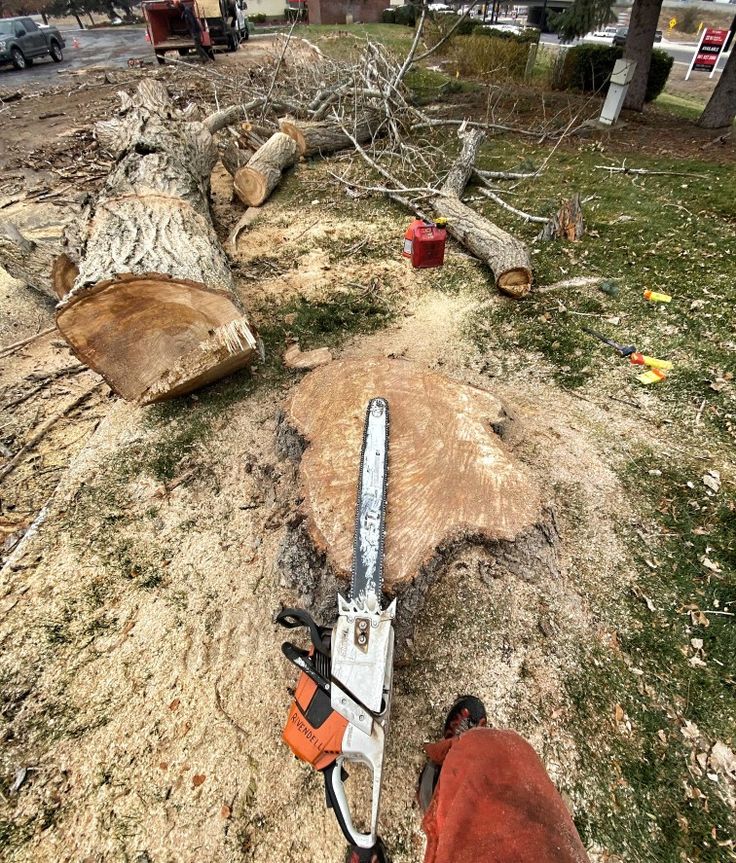
After storms, heavy winds, or prolonged rainfall, fallen trees are a common concern for property owners, lodges, estates, and outdoor tourism sites. A common question is should fallen trees always be removed immediately, or are there situations where waiting is acceptable?
The answer depends on safety risks, location, and potential damage. Understanding these factors helps property managers make informed decisions.
When Should Fallen Trees Require Immediate Removal
Immediate removal is necessary when fallen trees:
Block access roads, driveways, or walkways
Obstruct emergency routes
Pose a risk of rolling, shifting, or collapsing further
Delaying removal in these cases increases the risk of injury and liability.
Safety Risks Associated With Fallen Trees
Fallen trees may appear stable but often hide dangers such as:
Branches under tension
Cracked trunks
Uprooted root systems
Only trained professionals should assess and remove fallen trees safely.
Fallen Trees Near Buildings and Infrastructure
Trees that fall near or onto structures can cause:
Roof and wall damage
Electrical hazards from power lines
Structural instability
In these cases, immediate professional removal prevents further damage.
Situations Where Immediate Removal May Not Be Urgent
In natural or low-risk areas, fallen trees may not require immediate action if they:
Are far from public access
Do not pose safety risks
Play a role in natural ecosystems
However, professional assessment is still recommended to confirm safety.
Impact on Access and Daily Operations
For businesses, lodges, and estates, fallen trees can:
Disrupt operations
Delay services
Create negative visitor experiences
Quick response ensures minimal downtime and restores normal access.
Environmental Considerations
While fallen trees contribute to natural habitats, unmanaged trees near developed areas can:
Increase pest activity
Obstruct drainage systems
Accelerate erosion
Balancing environmental responsibility with safety is key.
Why Professional Assessment Is Essential
Attempting to remove fallen trees without proper training can result in:
Serious injuries
Property damage
Equipment failure
Professional contractors have the tools and experience to manage complex removals safely.
Professional Fallen Tree Removal Services
Rokotz Services and Projects provides professional fallen tree removal, emergency response, and preventative maintenance services across Pretoria and Gauteng. Our team assesses each situation carefully to determine the safest and most effective solution.
So, should fallen trees always be removed immediately? When safety, access, or infrastructure is at risk, the answer is yes. In lower-risk environments, professional evaluation ensures the right decision is made without unnecessary disturbance.
If you are dealing with fallen trees on residential, commercial, or tourism properties, Rokotz Services and Projects is ready to help.
Frequently Asked Questions (FAQs)
1. Is it dangerous to remove fallen trees yourself?
Yes. Fallen trees can be unstable and under tension, making DIY removal extremely hazardous.
2. How quickly should fallen trees be removed after a storm?
As soon as possible if they block access, pose safety risks, or affect buildings or utilities.
3. Can fallen trees attract pests?
Yes. Decaying wood can attract insects and rodents, especially near buildings.
4. Do fallen trees always need to be removed in natural areas?
Not always. In low-risk areas, they may remain, but professional assessment is still recommended.
5. Who should handle fallen tree removal?
Qualified tree contractors with proper equipment and experience should handle all removals.