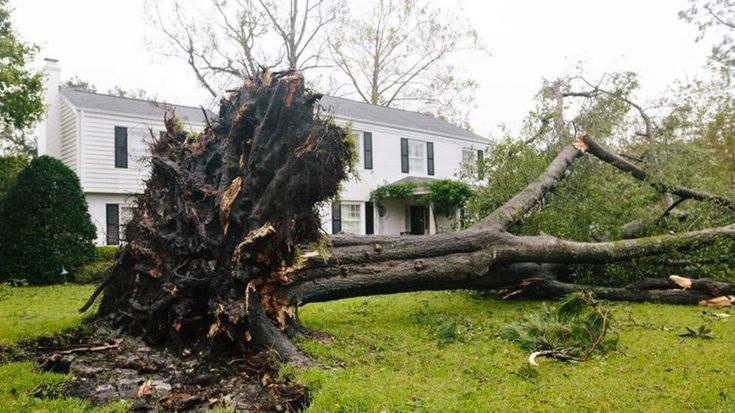
Many property owners believe that once heavy rain has passed and immediate checks are done, the danger is over. Unfortunately, this is not always the case. Understanding why trees can still fail days after heavy rain is critical for protecting your property, family, and visitors.
At Rokotz Services and Projects, we frequently respond to tree failures that occur long after storms have cleared, often catching property owners by surprise.
Heavy Rain Causes Long-Term Root Instability
Tree roots rely on firm soil for stability. After prolonged rainfall, soil becomes saturated and loses its ability to anchor roots effectively.
Even days later, this unstable ground can shift, causing trees to lean or uproot without warning.
Waterlogged Soil Continues to Weaken Trees
Saturated soil does not immediately recover once rain stops. Excess water reduces oxygen in the soil, weakening roots and slowing recovery.
This delayed stress contributes to unexpected tree failure.
Hidden Root Damage Takes Time to Show
Root damage caused by erosion or rot is often invisible. While a tree may appear stable at first, underground damage can worsen over several days.
By the time symptoms appear, failure may be imminent.
Internal Structural Weaknesses Worsen After Rain
Cracks, decay, and internal weaknesses inside the trunk or branches are intensified by moisture. These defects may not cause immediate collapse but progress over time.
Delayed failure is common when internal damage exists.
Trees Continue Shifting as Soil Settles
After heavy rain, soil continues to settle and compact. Trees may slowly move as the ground changes, especially on slopes or uneven terrain.
This gradual movement explains why trees often fall in calm weather days later.
Increased Canopy Weight After Rain
Moisture retained in leaves and branches adds ongoing weight to the canopy. This extra load places strain on already weakened trees.
Over time, the stress can exceed the tree’s structural limits.
Why Visual Inspections Alone Are Not Enough
Many trees that fail days after rain showed no obvious damage. Visual checks cannot detect root rot, soil instability, or internal decay.
Professional inspections provide deeper assessment and risk evaluation.
Trees Near Structures Are at Higher Risk
Trees close to houses, driveways, walls, and power lines pose greater danger if they fail. Even a slight lean after rain can become a serious hazard.
Early intervention prevents costly damage.
The Role of Professional Tree Inspections
A professional inspection identifies:
Root stability issues
Structural weaknesses
Soil erosion and drainage problems
Likelihood of delayed failure
This allows for timely pruning, support, or removal.
How Rokotz Services and Projects Helps
At Rokotz Services and Projects, we assist property owners with:
Post-storm tree assessments
Tree health inspections
Preventive pruning
Safe tree removal when necessary
Our goal is to reduce risk before emergencies occur.
Preventing Future Delayed Tree Failures
Routine maintenance strengthens trees against storms. Regular inspections, correct pruning, and proper drainage reduce long-term risk.
Preventive care is safer and more cost-effective than emergency response.
The Risk Doesn’t End When the Rain Stops
Knowing why trees can still fail days after heavy rain helps property owners stay alert beyond the storm. Delayed failure is common, but it is also preventable with the right approach.
Speak to Tree Safety Professionals
If your property experienced heavy rain and you’re concerned about tree stability, contact Rokotz Services and Projects today for expert inspections and reliable tree care solutions.
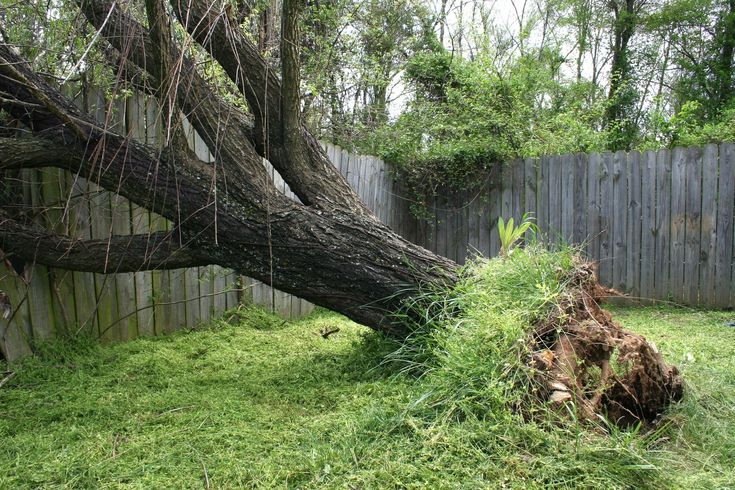
Recognising the signs a tree is no longer safe after heavy rain allows you to act before serious damage occurs. Trees that appear stable can fail unexpectedly, especially after prolonged rainfall. Timely professional assessment protects people, property, and peace of mind.
If you suspect a tree on your property may be unsafe after heavy rain, contact Rokotz Services and Projects for a professional inspection.
Frequently Asked Questions (FAQs)
1. How soon after heavy rain should trees be inspected?
Trees should be inspected as soon as possible, especially if there are visible changes such as leaning or soil movement.
2. Can healthy-looking trees still be unsafe after rain?
Yes. Internal root or trunk damage may not be visible but can still pose serious risks.
3. Are leaning trees always dangerous?
A sudden or increasing lean after rainfall is a strong warning sign and should be professionally assessed.
4. What types of trees are most affected by heavy rain?
Large, mature trees and those in waterlogged or disturbed soil are more susceptible to failure.
5. Who should inspect trees after heavy rain?
Qualified tree contractors or arborists with experience in storm-damaged trees.