
How to Tell if a Tree Is Dead or Dormant
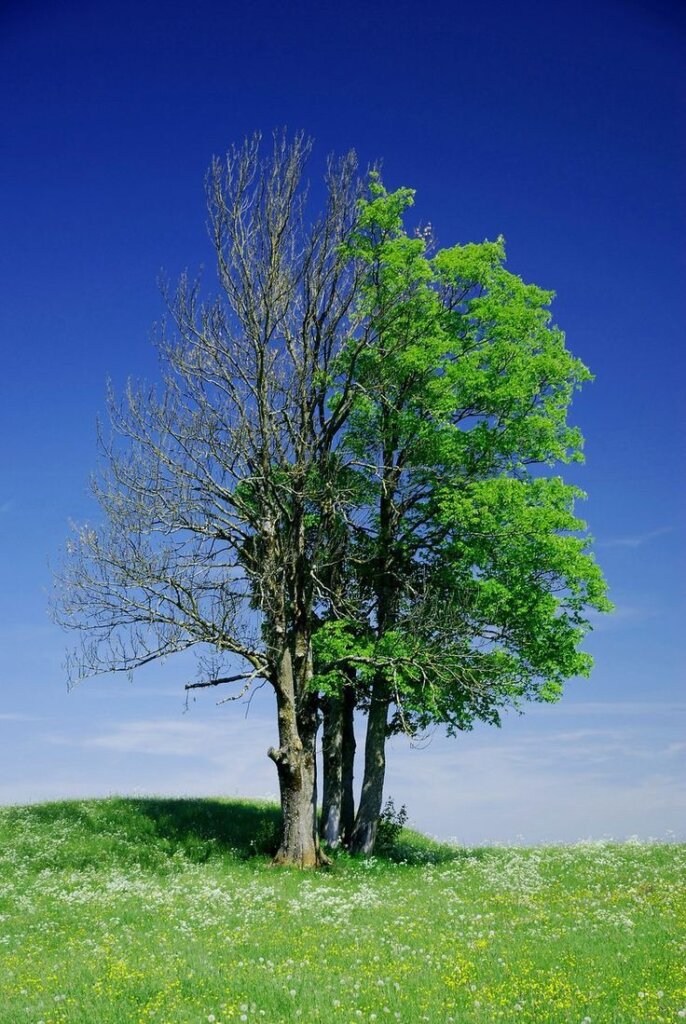
Many property owners worry when a tree loses its leaves or stops growing. Knowing how to tell if a tree is dead or dormant can help you avoid unnecessary removal and identify genuine safety risks. Trees naturally go through seasonal changes, but sometimes those changes indicate serious problems.
At Rokotz Services and Projects, we help property owners make informed decisions through professional tree assessments.
Understanding Dormancy in Trees
Dormancy is a natural survival process where trees slow their growth during colder or dry seasons. During dormancy, trees conserve energy and prepare for the next growth cycle.
Dormant trees may appear lifeless, but they are very much alive beneath the surface.
What Causes a Tree to Die?
Trees may die due to disease, pest infestation, severe root damage, drought stress, or physical injury. Environmental stress and improper tree care can also contribute to decline.
Understanding the cause is essential for determining whether a tree can recover.
Check for Leaf and Bud Activity
Dormant trees often show signs of healthy buds that will develop when conditions improve. Dead trees typically have no buds or show dry, brittle remains.
Inspecting buds can provide an early clue about tree vitality.
The Scratch Test Explained
The scratch test is a simple way to assess tree health. Gently scratch the bark with a fingernail or knife:
Green, moist tissue underneath indicates life
Brown, dry tissue suggests the branch is dead
Test multiple branches for accuracy.
Inspecting Branch Flexibility
Living branches are flexible and bend before breaking. Dead branches snap easily and feel dry and brittle.
Comparing branches across the tree helps determine overall condition.
Signs of Trunk and Bark Damage
Peeling bark, deep cracks, fungal growth, or hollow areas can indicate decay. While some bark shedding is normal, extensive damage often signals serious issues.
These signs warrant professional inspection.
Root and Soil Clues
Root damage or soil disturbance can affect tree health. Signs include soil lifting, exposed roots, or poor drainage.
Root issues often cause gradual decline rather than sudden death.
Seasonal Timing Matters
Deciduous trees naturally lose leaves during autumn and winter. Judging tree health during dormancy requires patience and careful inspection.
Evergreen trees showing browning or needle loss may indicate more serious problems.
When a Tree Is Likely Dead
A tree may be dead if:
No green tissue is found during scratch tests
Branches are brittle throughout the canopy
There is extensive trunk decay
No buds form during the growing season
Dead trees should be addressed promptly for safety reasons.
Safety Risks of Dead Trees
Dead trees are structurally unstable and more likely to drop branches or fall. They pose risks to people, buildings, and vehicles.
Timely identification helps prevent accidents and property damage.
When to Call a Professional
If you are unsure whether a tree is dead or dormant, professional assessment is recommended. Arborist-guided inspections provide accurate evaluations and safe recommendations.
Avoid guessing when safety is involved.
How Rokotz Services and Projects Can Help
At Rokotz Services and Projects, we offer professional tree health inspections to determine whether a tree is dormant, declining, or dead. Our services include:
Expert assessments
Preventive care recommendations
Safe tree removal when required
Our goal is to protect both trees and property.
Know the Difference Between Dead and Dormant Trees
Understanding how to tell if a tree is dead or dormant allows property owners to make confident, informed decisions. Early action can save trees and prevent hazards.
Book a Professional Tree Inspection
If you need help determining tree health, Rokotz Services and Projects is ready to assist. Contact us today for professional advice, inspections, and reliable tree care services.