
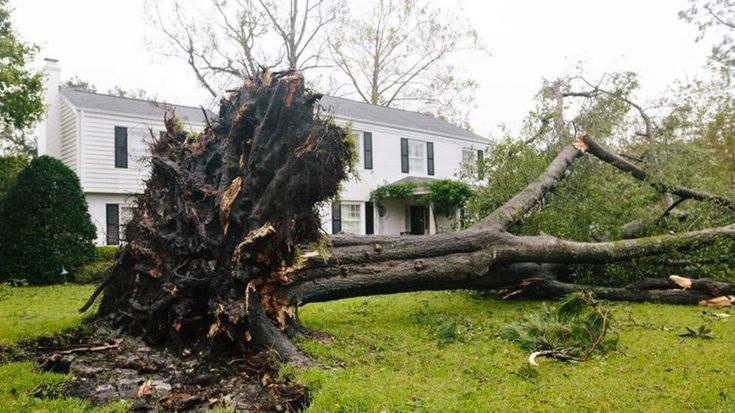
Heavy rain is common across Pretoria and Gauteng, especially during storm seasons. While rain is essential for healthy tree growth, prolonged or intense rainfall can seriously compromise tree stability. Recognising the signs a tree is no longer safe after heavy rain can help prevent injuries, property damage, and costly emergency situations.
Soil Movement Around the Base of the Tree
One of the earliest warning signs is disturbed soil. Look for:
Cracked or lifted ground around the trunk
Exposed or shifting roots
Leaning soil mounds on one side
These indicate weakened root anchoring and increased risk of uprooting.
Sudden Leaning or Change in Tree Position
Trees that begin leaning after heavy rain may be experiencing:
Root failure
Soil saturation reducing stability
Structural imbalance
A sudden lean is a strong indicator that the tree may fall without warning.
Cracks in the Trunk or Major Limbs
Heavy rain combined with wind can cause internal stress. Visible signs include:
Vertical or horizontal cracks
Splits where branches meet the trunk
Bark separating from the wood
These cracks weaken the tree’s structural integrity.
Hanging or Broken Branches
Rain-soaked branches become heavier and more prone to failure. Watch for:
Broken limbs caught in the canopy
Branches hanging at odd angles
Large deadwood after storms
These pose immediate risks to people and structures below.
Exposed or Uplifted Root Systems
Roots that were previously underground but are now visible signal serious instability. This often occurs in:
Waterlogged soils
Sloped areas
Recently disturbed ground
Exposed roots mean the tree has lost its natural support.
Fungal Growth and Decay After Rain
Moist conditions encourage fungal growth, especially on compromised trees. Warning signs include:
Mushrooms at the base of the trunk
Soft, spongy wood
Hollow sounds when tapped
Fungal activity often indicates internal decay.
Nearby Trees Falling or Failing
If nearby trees have fallen, it increases the likelihood that surrounding trees may also be compromised due to:
Shared root zones
Similar soil conditions
Exposure to wind gaps
This makes professional inspection even more important.
Increased Risk Near Buildings, Roads, and Walkways
Trees showing any of these signs near:
Homes or lodges
Driveways and access roads
Walking trails or public areas
should be assessed urgently to prevent accidents or liability issues.
Why Professional Tree Inspections Matter After Heavy Rain
Tree damage is not always visible from the outside. Professional inspections identify:
Internal decay
Structural weaknesses
Root instability
Early intervention reduces the need for emergency removals.
Professional Tree Safety Services
Rokotz Services and Projects offers professional tree inspections, storm damage assessments, and safe tree removal services across Pretoria and Gauteng. Our experienced team helps property owners, estates, lodges, and commercial sites manage tree risks effectively.
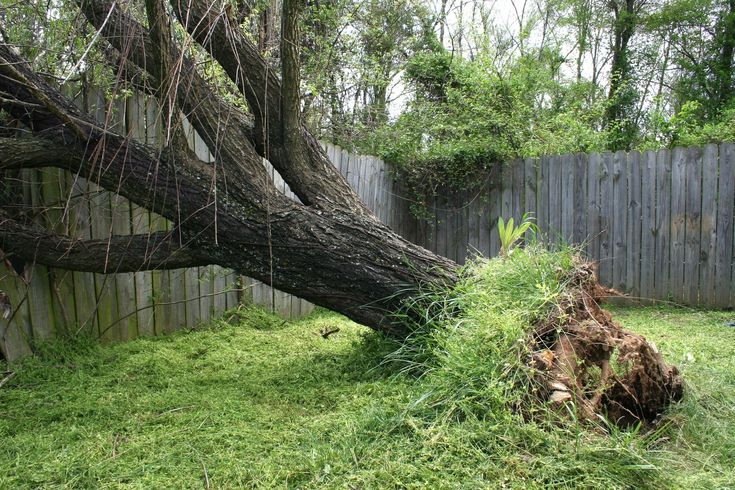
Recognising the signs a tree is no longer safe after heavy rain allows you to act before serious damage occurs. Trees that appear stable can fail unexpectedly, especially after prolonged rainfall. Timely professional assessment protects people, property, and peace of mind.
If you suspect a tree on your property may be unsafe after heavy rain, contact Rokotz Services and Projects for a professional inspection.
Frequently Asked Questions (FAQs)
1. How soon after heavy rain should trees be inspected?
Trees should be inspected as soon as possible, especially if there are visible changes such as leaning or soil movement.
2. Can healthy-looking trees still be unsafe after rain?
Yes. Internal root or trunk damage may not be visible but can still pose serious risks.
3. Are leaning trees always dangerous?
A sudden or increasing lean after rainfall is a strong warning sign and should be professionally assessed.
4. What types of trees are most affected by heavy rain?
Large, mature trees and those in waterlogged or disturbed soil are more susceptible to failure.
5. Who should inspect trees after heavy rain?
Qualified tree contractors or arborists with experience in storm-damaged trees.