
Tree Stress Signs: How to Identify a Stressed Tree and What to Do Next
Healthy trees add value, shade, and safety to your property but when a tree becomes stressed, it can quickly turn into a liability. Learning how to recognise early tree stress signs allows property owners to take action before minor issues escalate into costly damage, emergency removals, or full site clearance.
This guide explains how to identify a stressed tree, what causes tree stress, when it becomes a safety risk, and what steps to take next especially for properties in Pretoria and Gauteng, where weather extremes, development activity, and soil conditions often place trees under pressure.
What Are Tree Stress Signs?
Tree stress signs are visible or structural indicators that a tree is struggling to cope with environmental conditions, damage, or disease. Stress weakens a tree’s natural defences, making it more vulnerable to pests, decay, and failure.
Early signs often appear subtle, but ignoring them can lead to falling branches, uprooting, or damage to buildings, vehicles, and people.
How Can You Tell If a Tree Is Stressed?
A stressed tree typically shows changes in its leaves, branches, bark, or overall structure. These changes may occur gradually or suddenly, depending on the cause. Comparing the tree’s current condition to previous seasons is often the first clue that something is wrong.
If multiple symptoms appear at the same time, professional assessment is strongly recommended.
Common Visual Signs of Tree Stress
The most noticeable tree stress signs include:
Discoloured or yellowing leaves, even during the growing season
Premature leaf drop or sparse canopy growth
Dead or dying branches (also known as dieback)
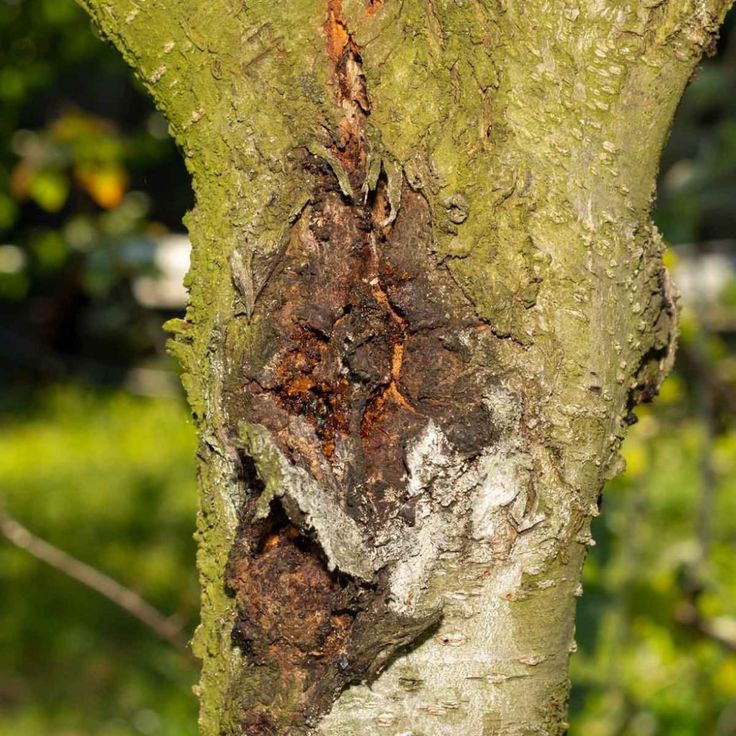
Cracks, peeling, or damaged bark
Leaning or sudden changes in posture
Fungal growth near the base or along the trunk
These symptoms often indicate deeper problems below the soil or within the tree’s structure.
What Causes Tree Stress?
Tree stress can result from a single issue or a combination of factors, including:
Drought or overwatering, which deprives roots of oxygen
Soil compaction from vehicles, construction, or foot traffic
Root damage caused by trenching, paving, or nearby development
Storm damage and high winds
Pest infestations or disease
Poor pruning practices or mechanical damage
In urban and developing areas like Gauteng, construction-related root disturbance is one of the most common causes of long-term tree stress.
Can Tree Stress Become a Safety Risk?
Yes. A stressed tree is far more likely to fail structurally than a healthy one. As stress weakens internal wood fibres and root systems, trees become vulnerable to:
Falling branches without warning
Trunk splitting during storms
Complete uprooting in saturated soil
Trees near homes, driveways, boundary walls, or construction sites pose a serious safety risk if stress is left unaddressed.
When Tree Stress Leads to Tree Failure
Tree failure occurs when the structural integrity of a tree is compromised beyond recovery. Warning signs include:
Large dead limbs overhanging structures
Advanced decay at the base or trunk
Significant lean combined with exposed roots
Repeated branch failure after storms
At this stage, tree removal or full site clearance may be the safest and most cost-effective solution.
Can a Stressed Tree Recover?
Some stressed trees can recover if the issue is identified early and corrective action is taken. Recovery may involve:
Improving soil drainage or irrigation
Relieving soil compaction
Corrective pruning
Pest or disease treatment
However, trees with extensive root damage, decay, or structural instability rarely recover fully and should be professionally assessed.
When Tree Stress Requires Professional Inspection
Professional tree health inspections are essential when:
Stress signs worsen over time
The tree is located near buildings or people
Construction or excavation has occurred nearby
You are unsure whether the tree is safe to keep
A professional inspection provides clarity on whether a tree can be saved, managed, or should be removed.
When Tree Removal or Site Clearance Is the Best Option
In some cases, stressed trees cannot be safely preserved. Tree removal becomes necessary when the risk of failure is high, and site clearance may be required when:
Preparing land for construction or development
Clearing unsafe or unstable vegetation
Removing multiple stressed or hazardous trees
Professional site clearance ensures the land is safe, compliant, and ready for its next use without ongoing tree-related risks.
How Early Action Saves Money and Prevents Damage
Addressing tree stress early helps property owners:
Avoid emergency call-outs after storms
Reduce repair costs from falling trees
Prevent project delays on construction sites
Protect surrounding vegetation and structures
Early inspections and maintenance are far more affordable than emergency removals or full-scale land clearance.
Frequently Asked Questions About Tree Stress
What are the first signs of tree stress?
Early signs include leaf discolouration, reduced leaf size, and minor branch dieback.
Can stressed trees fall suddenly?
Yes. Severely stressed trees may fail without warning, especially during storms.
Does construction near trees cause stress?
Yes. Excavation and soil compaction can severely damage root systems.
Should a stressed tree always be removed?
No. Some trees recover with proper care, but professional assessment is essential.
How do I know if a tree is dangerous?
Leaning, decay, dead branches, and root exposure are major warning signs.
Can pruning reduce tree stress?
Correct pruning can help, but improper pruning may worsen stress.
Are stressed trees more likely to attract pests?
Yes. Weak trees are more susceptible to insects and disease.
How often should trees be inspected?
High-risk trees should be inspected annually or after severe weather.
Does drought increase tree stress in Gauteng?
Yes. Extended dry periods are a major stress factor in the region.
When is site clearance recommended?
When multiple stressed or hazardous trees pose ongoing safety or development risks.
Take Action Before Tree Stress Becomes a Hazard
If you have noticed signs of tree stress on your property, early action can prevent serious damage and unnecessary costs. Professional inspections, tree removal, and site clearance services ensure safety, compliance, and peace of mind.
Book a professional tree assessment today to determine the safest and most effective solution for your property in Pretoria or Gauteng.