
How Trails Are Maintained in South African Nature Reserves
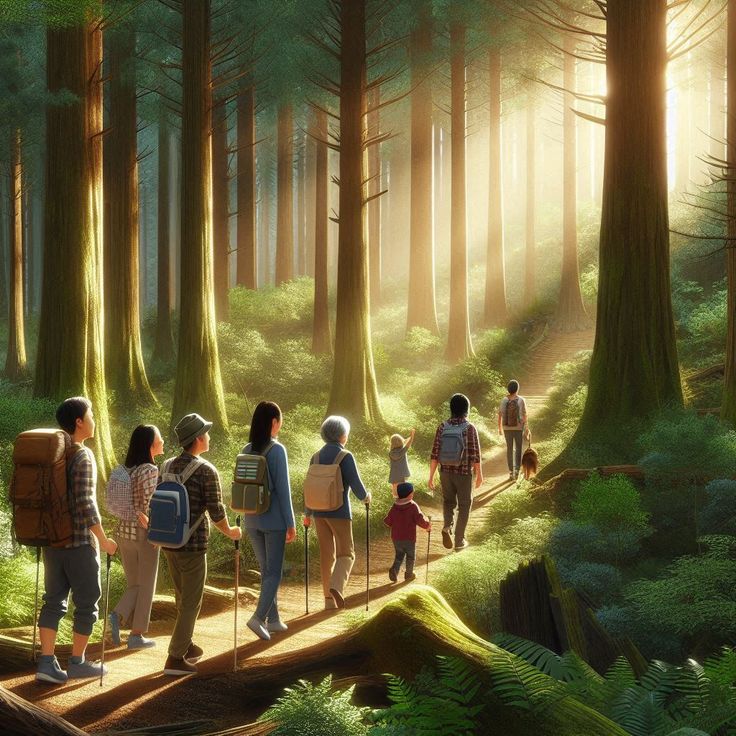
Nature reserves across South Africa offer safe, scenic trails for hiking, walking, and wildlife viewing — but these trails require ongoing care to remain accessible. Understanding how trails are maintained in South African nature reserves reveals the essential role of vegetation management, tree care, and land maintenance in protecting both visitors and the environment.
Why Trail Maintenance Is Essential
Without regular maintenance, trails can quickly become unsafe. Common issues include:
Fallen trees and branches
Overgrown vegetation blocking paths
Erosion caused by rain and foot traffic
Poor visibility and uneven surfaces
Routine maintenance helps prevent accidents and protects surrounding ecosystems.
Vegetation Management Along Trails
Vegetation management is one of the most important aspects of trail maintenance. This includes:
Clearing invasive plants
Trimming back overgrown bushes
Maintaining clear trail boundaries
Proper vegetation control ensures trails remain visible without damaging indigenous plant life.
Tree Inspections and Risk Management
Trees near trails are regularly inspected for:
Dead or weakened branches
Structural instability
Storm or wind damage
Professional inspections reduce the risk of falling branches, especially in high-traffic areas.
Managing Fallen Trees and Storm Damage
Heavy rains and strong winds can bring down trees unexpectedly. Trail maintenance teams:
Remove fallen trees blocking paths
Clear debris safely
Restore access quickly
Prompt response is essential to keep trails open and safe.
Preventing Erosion and Water Damage
Trail maintenance also involves:
Improving drainage
Reinforcing trail edges
Managing runoff after heavy rainfall
Proper land preparation helps prevent long-term trail degradation.
Balancing Conservation and Accessibility
Maintaining trails in nature reserves requires a careful balance. The goal is to:
Protect indigenous vegetation
Minimise environmental impact
Ensure safe access for visitors
Selective clearing and responsible tree care support conservation goals.
Equipment and Expertise Required
Trail maintenance often requires:
Specialised cutting and clearing equipment
Trained personnel
Safety planning for remote areas
Professional contractors are often used for larger or high-risk maintenance tasks.
Who Is Responsible for Trail Maintenance?
Trail maintenance is typically managed by:
Nature reserve authorities
Municipalities
Private landowners and eco-lodges
Professional vegetation and tree contractors
Outsourcing ensures work is done safely and efficiently.
Long-Term Benefits of Professional Trail Maintenance
Consistent maintenance:
Reduces emergency repairs
Improves visitor experience
Protects natural assets
Supports tourism sustainability
Well-maintained trails are more likely to attract repeat visitors.
Professional Vegetation and Tree Services for Natural Areas
Maintaining trails requires experience, planning, and respect for nature. Rokotz Services and Projects provides professional tree cutting, vegetation clearing, and land maintenance services to support safe, sustainable trail management across Pretoria and Gauteng.
Understanding how trails are maintained in South African nature reserves highlights the importance of expert vegetation and tree management. Behind every safe, scenic trail is ongoing work that ensures access, safety, and environmental protection.
👉 If you manage trails, reserves, or outdoor recreational land and need professional maintenance support, Rokotz Services and Projects is ready to assist.