How to Prepare Construction | Complete Site Clearance Guide
Preparing a plot for construction is one of the most important steps in ensuring a safe, strong, and successful building project. Whether you’re developing a home, commercial building, or industrial structure, proper site clearance prevents costly delays, structural issues, and compliance problems.
This guide explains every step, clearing vegetation, removing trees, leveling soil, and ensuring the land is ready for construction. For full, professional site clearance services in Pretoria, Rokotz Services and Projects is your trusted partner.
Conduct an Initial Site Assessment
Before any work begins, a thorough assessment helps identify hazards, hidden obstacles, environmental challenges, and municipal restrictions.
This includes evaluating:
Terrain and slope
Soil type and compaction
Existing trees, roots, and stumps
Underground utilities and drainage patterns
Potential erosion zones
An expert assessment ensures the clearance plan meets environmental and building regulations.
Remove Overgrown Vegetation and Weeds
Vegetation removal is more than cutting grass—it involves strategically eliminating all plant growth that may interfere with construction access, machinery movement, or foundation work.
This includes:
Clearing tall grass that hides hazards
Removing invasive species that can damage soil stability
Cutting shrubs and brush that limit accessibility
Eliminating excessive ground cover that attracts pests
Removing overgrowth also reveals the true condition of the land, allowing builders to identify slopes, erosion, hidden debris, and rocky terrain that may need additional attention.
SOME OF THE AREAS WE SERVE
Cut and Remove Trees Blocking Construction Areas
Trees often stand directly in the way of planned building zones, driveways, drainage lines, or utility paths. Safe tree removal ensures no roots or branches interfere with foundations, trenches, or heavy equipment.
Proper tree removal involves:
Planning controlled directional felling
Cutting trees into manageable sections
Preventing damage to surrounding structures
Clearing branches, logs, and canopy debris
Preparing the area for root excavation
Incorrect tree removal can cause serious accidents or damage nearby properties. That’s why working with experienced specialists is always recommended.
Stump Removal and Root Excavation
Leaving stumps in the ground is one of the biggest mistakes in construction preparation. Stumps eventually rot, creating hollow pockets that compromise foundation strength. Large root systems also continue spreading, pushing into trenches, driveways, and retaining walls.
Professional stump removal ensures:
Complete grinding below surface level
Excavation of major roots that may obstruct foundation lines
Elimination of pests that thrive in decaying wood
Preparation for compaction and leveling
This step ensures nothing beneath the surface threatens future structures.
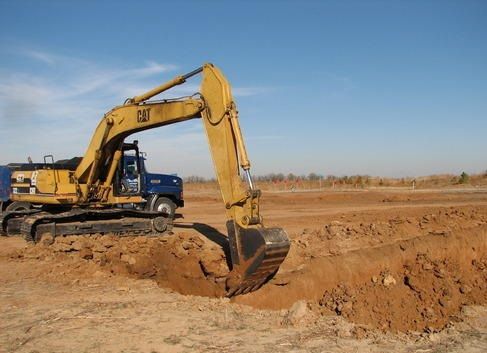
Clear Construction Debris Waste Rubble
Debris left on-site slows down construction, creates hazards, and fails municipal inspection requirements.
A complete clearance includes removing:
Old building rubble
Concrete chunks
Bricks, stones, and rocks
Household waste
Scrap metal
Storm debris
Any illegally dumped materials
A clean site improves worker safety, makes excavation easier, and ensures the land is ready for precise technical work.
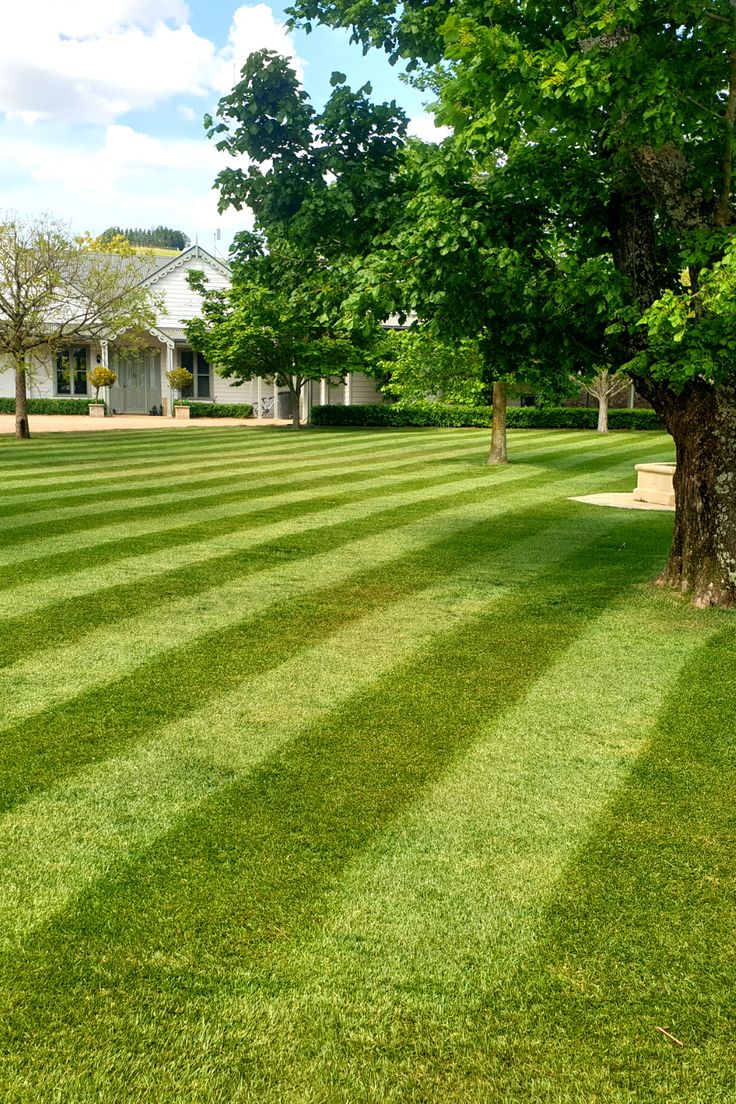
Level and Grade the Soil for Proper Foundation Work
Leveling is one of the most critical steps in preparing a building-ready plot. An uneven plot can cause major construction issues such as cracking, shifting foundations, and drainage problems.
Professional leveling includes:
Removing soil from high points
Filling low points with compactable material
Creating a stable, flat base
Ensuring water runoff flows away from the building
Correct grading also protects future structures from water damage and reduces long-term maintenance costs.
Improve Site Drainage to Prevent Future Water Damage
Proper drainage prevents water from pooling under or around the structure. Poor drainage leads to erosion, foundation weakening, mold, and long term property damage.
Drainage improvements may include:
Shaping slopes to direct water to appropriate areas
Installing temporary or permanent drainage trenches
Managing stormwater runoff
Identifying clay-heavy soil that retains water
Laying pipes or French drains where necessary
A well drained site is essential for the longevity of any commercial or residential project.
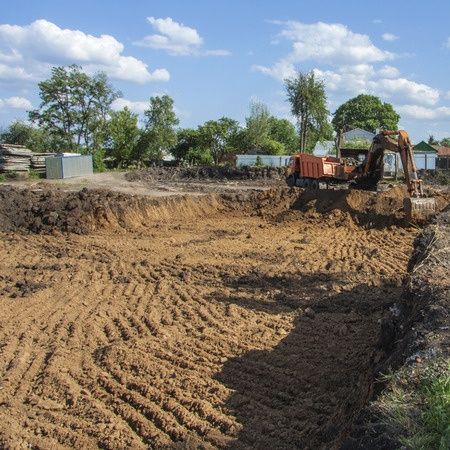
Compact the Soil for a Strong Building Base
Soil compaction increases soil density, ensuring it can support the weight of the structure without shifting. Loose soil causes sinking, cracking, and misaligned walls or floors.
Compaction involves:
Using industrial compactors or rollers
Compacting in layers for maximum density
Testing compaction levels against engineering standards
Preparing the ground for foundation digging and slab pouring
Professional compaction ensures the land passes engineering approvals and reduces future structural issues.
Mark Out Building Boundaries and Access Routes
Accurate site marking prevents construction errors that can be costly to fix.
This includes marking:
Building footprint
Plumbing and electrical routes
Driveway and access points
Storage areas
Machinery access lanes
Excavation boundaries
Proper marking helps contractors avoid mistakes and ensures the project stays aligned with approved architectural plans.
Ensure Compliance With Municipal Regulations
Municipal compliance is a legal requirement in South Africa. Incorrect land preparation can lead to project shutdowns, fines, or denied approvals.
Compliance involves:
Obtaining environmental permits
Securing tree-removal permissions (especially for protected species)
Ensuring erosion control measures are in place
Following waste disposal rules
Adhering to health and safety site protocols
Working with a professional team like Rokotz ensures the entire process is compliant, documented, and inspection-ready.
FREQUENTLY ASKED QUESTIONS FAQ
Do I need a soil test before construction?
Yes. A geotechnical soil test determines soil strength, moisture content, and load-bearing capacity, critical for foundation design.
Who handles protected tree removal permits?
Rokotz assists with identifying protected species and applying for removal permits through the correct municipal channels.
Can construction begin if some stumps are still in the ground?
No. Stumps cause soil collapse, root decay, and foundation instability. All stumps must be removed before construction begins.
What dangers exist on an uncleared plot?
Uncleared plots can hide:
Buried debris
Sinkholes
Pests
Sharp objects
Unstable ground
These risks threaten workers and equipment.
How do I know if the soil is too soft for building?
If the soil shifts easily, forms puddles, or shows signs of clay expansion, it must be compacted or replaced. A soil report confirms this.
How long does a full site clearance project take?
Yes. Saturated ground prevents excavation and collapses trenches. Proper drainage must be installed first.
What happens if I skip site grading?
Uneven ground leads to cracks in foundations, poor water flow, and structural damage. Grading is essential.
How long does a full site clearance project take?
A typical residential plot takes 3–10 days, depending on:
Size
Vegetation density
Number of trees
Soil conditions
Machinery access
Does Rokotz remove rubble from old buildings or demolitions?
Yes. Rokotz handles rubble removal, debris loading, hauling, and legal disposal.
When is the best time to prepare a plot for construction?
Dry weather is ideal as machinery moves more efficiently and the soil compacts better. However, Rokotz works year-round with proper planning.
Recommended Partner Eco Home & Flooring
After Site Clearance for Estates visit Eco Home & Flooring for :
- Ground stabilising outdoor mats
- Rubber walkway mats for construction paths
- Eco friendly outdoor flooring
- Landscaping ground covers and interlocking tiles
Perfect for sustainable development projects.
Regular tree maintenance is not just cosmetic — it directly influences property value, safety, booking success, long-term upkeep and overall market appeal. For Airbnbs and estates, professionally maintained outdoor spaces create peace of mind, attract higher-paying tenants or guests, and protect the long-term investment.
To maximise your property’s potential, proactive maintenance is always more cost-effective than emergency removal or repairs.
INTERESTING FACTS ABOUT PRETORIA
1. Pretoria Is Known as the Jacaranda City
Every spring, over 70,000 jacaranda trees bloom across Pretoria, covering the streets in stunning purple. These trees were originally imported from South America — and now they’re one of the city’s defining symbols.
2. It’s One of South Africa’s Three Capital Cities
Pretoria serves as South Africa’s administrative capital, housing the Union Buildings, where the president’s offices are located. Cape Town is the legislative capital, and Bloemfontein is the judicial capital.
3. Pretoria Is a Hub for Construction and Development
With continuous urban expansion and housing projects, Pretoria has become one of the fastest-growing construction zones in South Africa — especially in areas like Centurion, Montana, and Silver Lakes.
4. Home to One of Africa’s Top Universities
The University of Pretoria (UP), founded in 1908, is among the top-ranked universities on the continent, known for engineering, law, and veterinary science.
5. Pretoria Has Rich Architectural Heritage
From Victorian and Cape Dutch designs to modern high-rises, the city blends old and new. Landmarks like Melrose House and the Union Buildings showcase its unique history.
6. Wildlife Exists Right in the City
Pretoria is one of the few cities where you can still find zebras, impalas, and giraffes within the metro area — especially in nature reserves like Rietvlei and Groenkloof.
7. The City Is an Engineering and Technology Powerhouse
Known as the “Silicon Valley of South Africa,” Pretoria hosts the Council for Scientific and Industrial Research (CSIR) and the National Research Foundation, making it a hub for innovation and development.
8. Pretoria Has a Deep Political History
The city has played a central role in South Africa’s political evolution — from the seat of the apartheid government to the site of Nelson Mandela’s presidential inauguration in 1994.
9. Pretoria’s Surrounding Areas Drive the Building and Landscaping Industry
Suburbs like Centurion, Akasia, and Silverton have seen massive demand for tree felling, site clearance, and landscaping services, creating consistent business opportunities for local contractors.
10. Pretoria Enjoys One of the Best Climates in the Country
With mild winters and warm summers, Pretoria’s climate supports diverse plant life — but also contributes to rapid vegetation growth, making bush cutting and tree maintenance essential year-round.