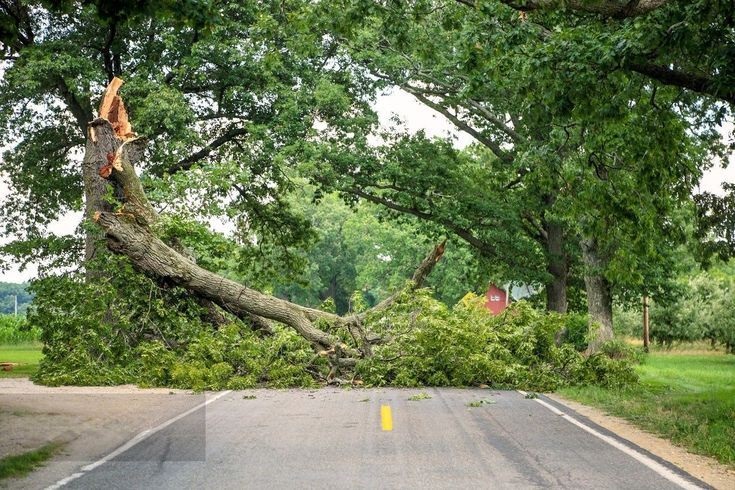
How to Deal With Tree Damage | After Heavy Rain or Storms
Heavy rain, strong winds, and severe storms can cause significant tree damage, broken branches, uprooted trees, leaning trunks, or soil erosion. Knowing how to respond quickly and safely protects your family, your property, and the long-term health of your trees. This guide explains practical steps, expert advice, and when you should call professionals like Rokotz Services and Projects to handle severe tree damage effectively.
Inspect the Area Safely Before Approaching the Tree
After a major storm, the environment may be more dangerous than it appears. Broken limbs can be hanging by a thread, electrical cables may be tangled in branches, and unstable ground may cause you to slip or fall.
Stay at a safe distance and visually scan the area first. Check for:
Downed powerlines
Cracked or falling branches
Trees leaning toward structures
Flooded or muddy ground that hides root damage
If anything looks risky, do not attempt to handle the tree yourself. Prioritise your safety and contact a professional like Rokotz immediately.
Identify the Type and Extent of Tree Damage
Storms can cause multiple types of damage, and each requires a different response. Look for:
Broken branches: Often manageable but must be cut cleanly.
Split trunks: Indicates structural failure — usually requires removal.
Uprooted trees: A serious hazard; roots may have lost all anchoring.
Bark stripping: Can weaken the tree’s nutrient flow.
Crown damage: Can affect long-term growth and stability.
The more accurately you identify the problem, the better the recovery plan. Rokotz provides full health assessments to guide the right decision.
SOME OF THE AREAS WE SERVE
Remove Small Broken Branches Safely
Small branches that are easy to reach from the ground can be pruned to reduce stress on the tree and prevent further tearing.
When pruning:
Make smooth, angled cuts to encourage healing
Avoid tearing bark
Remove only damaged limbs
Sterilise tools to prevent disease
Pruning too much can shock the tree, so only do the minimum necessary. Anything higher than shoulder height should be handled by trained specialists.
Avoid Cutting Large or Hanging Limbs Yourself
Large limbs damaged by storms can fall suddenly and with tremendous force. They may be held up by thin strands of wood or tangled branches, a very unstable situation. Attempting to cut these yourself risks severe injury or property damage.
Professional arborists use:
Rigging ropes
Safety harnesses
Chainsaw techniques
Controlled drop zones
These tools and skills allow them to remove dangerous limbs safely without causing additional damage.
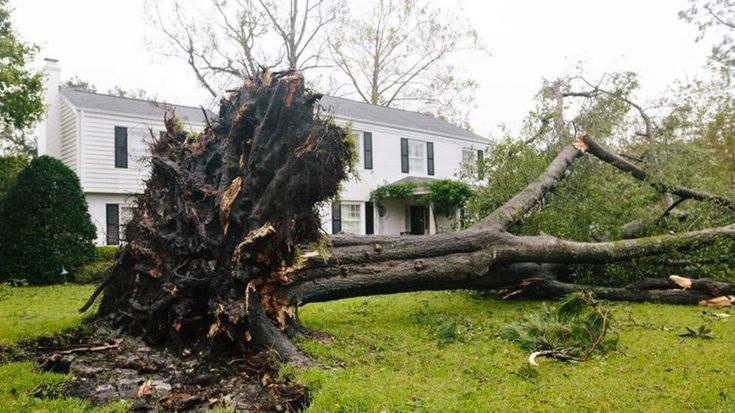
Check for Uprooting or Leaning Trees
If the tree base is lifting or roots are visible, the tree has lost structural support. Heavy rainfall can soften soil, allowing the tree to shift or uproot.
A leaning tree may:
Fall during the next storm
Damage walls, roofs, or fences
Pull underground pipes or cables
Cause injuries if it collapses unexpectedly
A professional must inspect this immediately. In many cases, removal is the only safe option.
Support Partially Damaged Trees When Possible
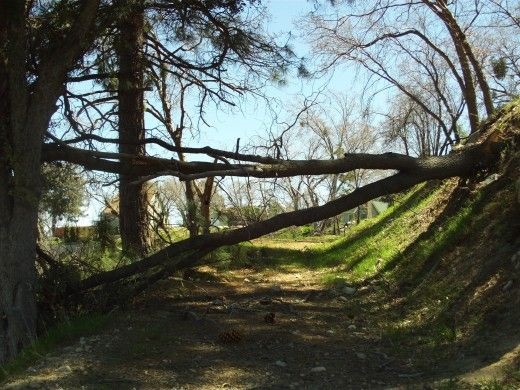
Not all storm-damaged trees need to be removed. Some can be rehabilitated with the right support systems.
Professional arborists use:
Cabling to stabilise weak branches
Bracing rods to reinforce split trunks
Structural pruning to reduce weight on damaged limbs
These solutions extend the tree’s lifespan, restore strength, and improve safety. However, incorrect DIY bracing can worsen cracks or cause failure under the next storm.
Address Soil Erosion Around the Tree Base
After heavy rainfall, soil around a tree may wash away, exposing roots and reducing stability.
To restore the area:
Add topsoil to replace eroded ground
Apply mulch to retain moisture and prevent further erosion
Improve drainage to direct water away from the trunk
Aerate compacted soil if needed
If severe erosion continues, Rokotz can implement long-term soil-leveling and drainage solutions.
Look for Signs of Internal or Structural Damage
Some storm damage isn’t immediately visible. Trees may look stable but have hidden decay or internal cracks.
Warning signs include:
Mushrooms or fungi near the base
Cavities or soft, spongy wood
Vertical cracks running along the trunk
Hollow sounds when tapping the bark
Structural failure can happen months after a storm. Early detection prevents unexpected tree collapse and protects your home.
Prevent Further Damage Through Proper Pruning and Cleanup
Once the immediate hazards are removed, a thorough cleanup and maintenance plan helps the tree recover.
Proper pruning:
Reduces weight on weakened limbs
Shapes the canopy for better wind resistance
Promotes healthy new growth
Prevents future branch failures
Cleanup also removes debris that may attract pests or create fungal conditions. Rokotz ensures the entire area is left clean, safe, and storm-ready.
Know When to Call Rokotz for Professional Tree Damage Support
Storm damage can turn dangerous quickly. If you notice:
Leaning trunks
Deep cracks
Heavy hanging branches
Uprooted root systems
Branches near powerlines
Call Rokotz immediately. Our team provides:Emergency storm response
Safe tree removal
Professional pruning
Cleanup and debris disposal
Post-storm tree health recovery
We handle everything safely and efficiently, protecting your family and property.
FREQUENTLY ASKED QUESTIONS FAQ
What should I do first when I notice tree damage after a storm?
Ensure the area is safe. Stay away from leaning trees, hanging branches, and powerlines. Only assess the situation once there is no danger.
Can a tree recover from broken branches?
Yes, if damage is minor. Clean pruning cuts help the tree heal faster. Severe breaks may require professional care.
How do I know if a damaged tree needs removal?
If the trunk is split, the tree leans significantly, or roots are exposed, removal may be necessary. Rokotz can assess the tree and give expert recommendations.
Should I remove hanging branches myself?
No. Hanging limbs are dangerous and unpredictable. Always call professionals.
Can storms weaken roots even if the tree looks fine?
Yes. Saturated soil can loosen root anchoring. A tree expert can check stability.
How soon after a storm should a tree be inspected?
As soon as possible especially if the tree is near structures, driveways, or play areas.
Do all storm-damaged trees need to be removed?
Not always. Many can be saved through pruning, bracing, or corrective care.
Why do branches fall during storms?
High winds, excess weight from rain, and hidden decay can cause branches to snap.
Can I prevent future storm damage to my trees?
Yes. Regular pruning, health inspections, and removing weak limbs reduce risks.
Does Rokotz offer emergency storm cleanup?
Yes. Rokotz provides fast, safe, and professional storm-damage response services across Pretoria.
Recommended Partner Eco Home & Flooring
After Site Clearance for Estates visit Eco Home & Flooring for :
- Ground stabilising outdoor mats
- Rubber walkway mats for construction paths
- Eco friendly outdoor flooring
- Landscaping ground covers and interlocking tiles
Perfect for sustainable development projects.
Regular tree maintenance is not just cosmetic — it directly influences property value, safety, booking success, long-term upkeep and overall market appeal. For Airbnbs and estates, professionally maintained outdoor spaces create peace of mind, attract higher-paying tenants or guests, and protect the long-term investment.
To maximise your property’s potential, proactive maintenance is always more cost-effective than emergency removal or repairs.
INTERESTING FACTS ABOUT PRETORIA
1. Pretoria Is Known as the Jacaranda City
Every spring, over 70,000 jacaranda trees bloom across Pretoria, covering the streets in stunning purple. These trees were originally imported from South America — and now they’re one of the city’s defining symbols.
2. It’s One of South Africa’s Three Capital Cities
Pretoria serves as South Africa’s administrative capital, housing the Union Buildings, where the president’s offices are located. Cape Town is the legislative capital, and Bloemfontein is the judicial capital.
3. Pretoria Is a Hub for Construction and Development
With continuous urban expansion and housing projects, Pretoria has become one of the fastest-growing construction zones in South Africa — especially in areas like Centurion, Montana, and Silver Lakes.
4. Home to One of Africa’s Top Universities
The University of Pretoria (UP), founded in 1908, is among the top-ranked universities on the continent, known for engineering, law, and veterinary science.
5. Pretoria Has Rich Architectural Heritage
From Victorian and Cape Dutch designs to modern high-rises, the city blends old and new. Landmarks like Melrose House and the Union Buildings showcase its unique history.
6. Wildlife Exists Right in the City
Pretoria is one of the few cities where you can still find zebras, impalas, and giraffes within the metro area — especially in nature reserves like Rietvlei and Groenkloof.
7. The City Is an Engineering and Technology Powerhouse
Known as the “Silicon Valley of South Africa,” Pretoria hosts the Council for Scientific and Industrial Research (CSIR) and the National Research Foundation, making it a hub for innovation and development.
8. Pretoria Has a Deep Political History
The city has played a central role in South Africa’s political evolution — from the seat of the apartheid government to the site of Nelson Mandela’s presidential inauguration in 1994.
9. Pretoria’s Surrounding Areas Drive the Building and Landscaping Industry
Suburbs like Centurion, Akasia, and Silverton have seen massive demand for tree felling, site clearance, and landscaping services, creating consistent business opportunities for local contractors.
10. Pretoria Enjoys One of the Best Climates in the Country
With mild winters and warm summers, Pretoria’s climate supports diverse plant life — but also contributes to rapid vegetation growth, making bush cutting and tree maintenance essential year-round.